Gaming has evolved far beyond button-mashing or casual play Controller. Today, it’s an ecosystem of competitive battles, cultural phenomena, and communities that influence how we connect, compete, and experience digital worlds. At Likiy.net, we explore the stories behind the screen—from epic battles that define esports to player mindsets that shape strategy, and the culture powering modern gaming.
1. Legendary Showdowns in Esports History
Esports has produced battles that go down in history, not just for skill but for drama, strategy, and fan engagement. Think the 2018 League of Legends World Championship Finals or The International Dota 2 2019 Grand Finals—moments where split-second decisions defined champions.
- Impact: These battles set standards for professional gaming and inspire a generation of players.
🔗 External reference:
History of esports tournaments – ESPN Esports
https://www.espn.com/esports/story/_/id/27182034/the-history-esports
2. Classic Console vs. PC Clashes
The rivalry between console and PC gamers remains part of gaming culture. From Call of Duty tournaments on consoles to CS:GO LAN events on PC, the debate has fueled innovation, community identity, and even hardware design.
📍 Map Location:
DreamHack Gaming Festival, Jönköping, Sweden
https://maps.google.com/?q=DreamHack+J%C3%B6nk%C3%B6ping
🔗 Internal link:
👉 Explore gaming culture and history on Likiyhttps://likiy.net/gaming-culture-history

3. Battle Royale Domination
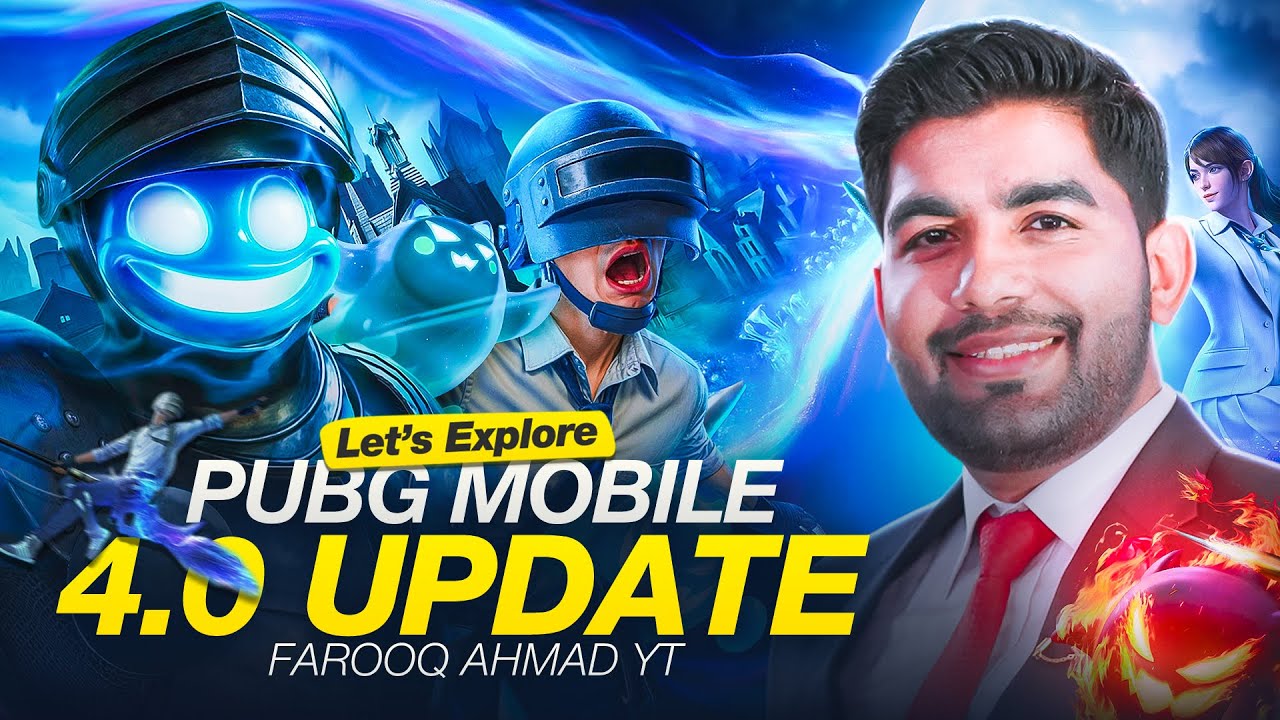
Titles like Fortnite, PUBG, and Apex Legends have revolutionized multiplayer dynamics. These games combine strategy, skill, and unpredictability, making every match an epic micro-battle with high stakes.
- Why it matters: Battle royales test adaptability and mental agility under pressure.
🔗 External reference:
How battle royale changed gaming – The Verge
https://www.theverge.com/22377964/battle-royale-gaming-fortnite-history
4. Fighting Game Legends
Street Fighter, Tekken, and Super Smash Bros have maintained a dedicated competitive scene for decades. Tournaments like EVO Championship Series showcase high-level mind games, reflexes, and character mastery.
📍 Map Location:
EVO Championship, Las Vegas, Nevada
https://maps.google.com/?q=EVO+Championship+Las+Vegas
🔗 Internal link:
👉 Discover competitive gaming strategies on Likiyhttps://likiy.net/competitive-gaming-strategies
5. Indie Game Upsets
Sometimes, the underdog wins. Indie games like Hollow Knight, Hades, or Cuphead challenge mainstream titles with unique mechanics, storytelling, and art. These games prove that innovation and creativity can rival budget and brand power.
3 Player Mindsets Shaping the Meta
1. The Strategist
Strategists analyze every move, anticipate opponents, and leverage mechanics. Games like StarCraft II and Dota 2 reward meticulous planning.
2. The Risk-Taker
Risk-takers thrive on unpredictability, making bold plays that can dramatically shift a match. Titles like Fortnite encourage creative, high-risk decisions.
3. The Social Player
These players value collaboration and community. Multiplayer games like Among Us or World of Warcraft excel in fostering social interaction and teamwork.
🔗 Internal link:
👉 Learn about player psychology and gaming mindsetshttps://likiy.net/player-psychology
The Culture Driving Modern Gaming
Gaming culture extends beyond the screen. Conventions, streaming platforms, cosplay events, and LAN parties create communities that define identity, friendship, and influence.
📍 Map Location:
PAX West, Seattle, USA
https://maps.google.com/?q=PAX+West+Seattle
- Streaming platforms like Twitch and YouTube Gaming amplify cultural reach.
- Competitive leagues and casual events shape a sense of belonging and shared passion.
🔗 External reference:
How gaming culture shapes communities – Kotaku
https://kotaku.com/how-gaming-culture-is-evolving-1847639182
Why Gaming Is More Than Entertainment
Modern gaming blends skill, emotion, and culture. Battles test reflexes and intellect, player mindsets define strategy, and culture amplifies social connection. Gaming is no longer a pastime—it’s a medium that influences lifestyle, technology, and even global culture.
Explore More on Likiy.net
- 🎮 Esports & Competitive Gaming
- 🌍 Global Gaming Culture
- 🧠 Player Psychology & Mindsets
- 📝 Indie & Innovation in Gaming
👉 Visit: https://likiy.net
The Thrill of Competitive Battles
Nothing defines modern gaming like competition. Whether in esports arenas or online ranked matches, the thrill comes from strategy, reflexes, and mental agility. Every decisive move can turn the tide, making each match unforgettable.
The Psychology Behind Victory
Winning isn’t just about skill—it’s about mindset. Top players understand risk, reward, patience, and timing. Mastering the mental game often separates champions from the rest, shaping how strategy unfolds.
Indie Games Changing the Meta
Indie titles like Hollow Knight or Hades prove that innovation can rival blockbuster franchises. These games introduce new mechanics, storytelling, and artistry, creating challenges and experiences that redefine modern gaming.
The Rise of Battle Royale
From Fortnite to Apex Legends, Battle Royale games blend survival instincts, adaptability, and quick decision-making. Every match is unpredictable, offering players a unique thrill each time they drop in.
Player Mindsets: Strategists, Risk-Takers, and Social Gamers
Players approach games differently. Strategists plan meticulously, risk-takers thrive on bold maneuvers, and social gamers prioritize collaboration and teamwork. Understanding these mindsets offers insight into how games are played and enjoyed.
The Culture Beyond the Screen
Gaming culture extends far beyond consoles and PCs. Conventions, streaming communities, cosplay events, and local tournaments create connections, friendships, and shared experiences that amplify the impact of gaming in real life.
The Art of Storytelling in Games
Narrative-driven games immerse players in worlds with emotional depth. Titles like The Last of Us or Red Dead Redemption show how storytelling can rival film or literature, engaging players emotionally and intellectually.
LAN Parties and Community Hubs
Before online streaming dominated, LAN parties were the heart of multiplayer gaming. Even today, local tournaments and gaming cafés foster community, allowing players to share experiences, strategies, and memories in person.
The Future of Esports
Esports continues to grow in popularity, investment, and professionalism. From live broadcasts to massive prize pools, competitive gaming is becoming a mainstream spectacle, merging entertainment, skill, and culture.
Gaming as a Lifestyle
For many, gaming is more than a hobby—it’s a lifestyle. It shapes fashion, language, social networks, and even travel plans, reflecting a cultural phenomenon that transcends the digital realm.
Streaming Platforms and Global Reach
Streaming platforms like Twitch and YouTube Gaming have transformed how people experience games. Fans can watch tournaments live, learn strategies, and connect with personalities worldwide, creating a global community around gameplay.
Cosplay and Gaming Identity
Cosplay allows players to embody their favorite characters, bridging digital worlds with reality. It’s not just a hobby—it’s a form of expression that celebrates creativity, fandom, and identity within the gaming culture.
The Emotional Stakes of Multiplayer Games
Multiplayer gaming can evoke strong emotions—joy, frustration, triumph, or camaraderie. These emotional highs and lows create memorable experiences that keep players engaged for years.
Hardware and Performance Culture
The quest for high-performance rigs and next-gen consoles reflects a subculture within gaming. From custom PCs to ergonomic controllers, hardware enhances both competitive edge and immersive experience.
The Evolution of Competitive Play
Competitive gaming has grown from small tournaments to global esports leagues. Strategy, teamwork, and skill define each match, and the rise of live streaming has made esports a spectator sport that rivals traditional competitions.
Immersive Worlds Through Narrative Design
Story-driven games transport players into rich, interactive worlds. Titles like The Last of Us and Red Dead Redemption use narrative depth, environmental storytelling, and character development to create emotional resonance beyond gameplay mechanics.
The Psychology of Player Mindsets
Players approach games differently. Some thrive on precision and strategy, others seek risk and improvisation, while many prioritize social interaction. Understanding these mindsets reveals why certain games appeal to different audiences.
Virtual Reality as a New Frontier
VR is redefining immersion in gaming. Players physically move within digital spaces, interact with objects intuitively, and experience environments with a sense of presence impossible in traditional setups.
The Power of Online Communities
Forums, Discord servers, and social media groups foster global connections. Communities allow players to share strategies, celebrate achievements, and create collaborative content, extending the life and impact of games.
Cultural Influence on Game Design
Games reflect culture, from myth-inspired worlds to region-specific mechanics. Developers incorporate local history, art, and traditions, giving players insight into global perspectives through interactive storytelling.
The Art of Player-Created Content
Mods, fan-made levels, and custom skins keep games evolving. Player creativity enriches the experience, allowing communities to contribute directly to gameplay innovation.
Esports Arenas as Modern Stadiums
From DreamHack to EVO, live esports events now rival traditional sports stadiums. These venues provide immersive experiences for both players and spectators, blending technology, excitement, and community energy.
📍 Map Location:
DreamHack Summer, Jönköping, Sweden
https://maps.google.com/?q=DreamHack+Jönköping
Accessibility and Inclusive Gaming
Modern games increasingly consider accessibility, offering customizable difficulty, input options, and visual/audio support. Inclusive design ensures a wider audience can enjoy and compete in gaming culture.
The Future of Multiplayer Interaction
Emerging technologies, cloud gaming, and cross-platform integration are changing how players connect. Multiplayer experiences now emphasize cooperation, competition, and shared narrative adventures across devices and regions.
Community-Driven Content
Mods, fan art, and community servers allow players to leave their mark on games. This participatory culture keeps games alive long after official updates end, showing the collaborative power of modern gaming communities.
Mobile Gaming as a Cultural Force
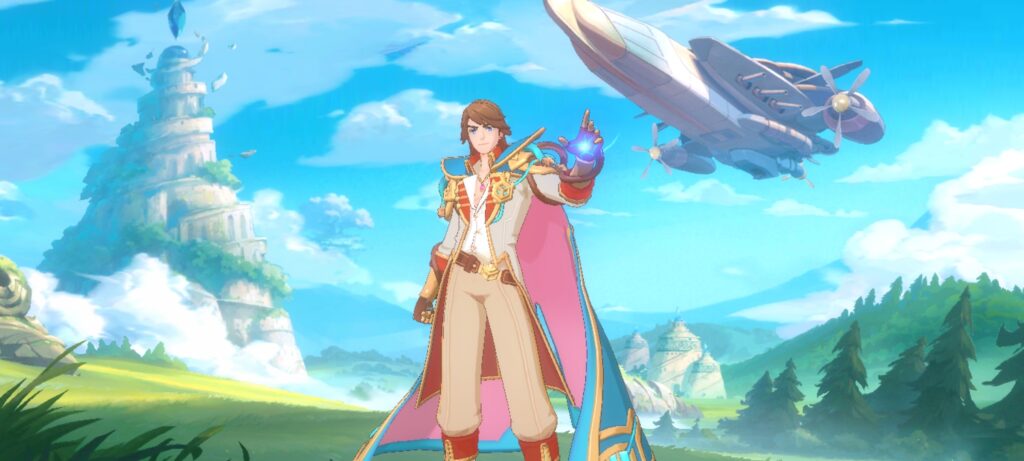
Mobile games like PUBG Mobile or Genshin Impact have made gaming more accessible worldwide. They bridge casual and competitive play, making gaming culture pervasive across age groups and geographies.
Virtual Reality and Immersive Worlds
VR technology offers unprecedented immersion, letting players step inside virtual worlds. Experiences in VR aren’t just about play—they redefine presence, interaction, and the sense of being inside a narrative.
Esports as a Career Path
Professional gaming has evolved into a viable career. Players can earn income through tournaments, sponsorships, and streaming, illustrating how skill, branding, and dedication combine in the modern gaming ecosystem.
The Social Power of Co-op Play
Cooperative games build teamwork and communication skills. Shared objectives create bonds, teaching players problem-solving and collaboration in both virtual and real-life contexts.
Gaming Festivals as Cultural Hubs
Events like PAX, DreamHack, and EVO are more than conventions—they’re celebrations of gaming culture. Fans gather to compete, socialize, and experience the latest innovations in the industry.
📍 Map Location:
PAX West, Seattle, USA
https://maps.google.com/?q=PAX+West+Seattle
Frequently Asked Questions (FAQs)
1. What is a gaming Controller?
A Controller is a device used to interact with video games, translating player input into actions within the game.
2. How has the Controller evolved over time?
Controllers have evolved from simple joysticks and buttons to wireless, ergonomic devices with motion sensors, haptic feedback, and adaptive triggers.
3. Can different Controllers affect gameplay?
Yes, Controllers can affect precision, comfort, and performance. Professional gamers often choose devices tailored to their playstyle.
4. Are all Controllers compatible with every console?
No, most Controllers are designed for specific consoles or systems, though adapters or cross-platform Controllers are available.
5. What is the difference between a wired and wireless Controller?
Wired Controllers offer low latency and consistent power, while wireless Controllers provide mobility and convenience.
6. How does a Controller enhance competitive gaming?
A responsive Controller with accurate inputs allows faster reactions, precise movements, and better control over in-game actions.
7. What features are important in a professional Controller?
Ergonomics, button layout, trigger sensitivity, and responsiveness are key features for professional-grade Controllers.
8. Can Controllers improve accessibility for gamers?
Yes, specialized Controllers, such as adaptive devices, help gamers with disabilities play more comfortably and effectively.
9. How do motion-sensing Controllers work?
Motion-sensing Controllers detect physical movement and translate it into in-game actions, enhancing immersion and interactivity.
10. Are Controller preferences different for PC and console gaming?
Yes, console players often use platform-specific Controllers, while PC players may prefer customizable Controllers or keyboard-and-mouse setups.
11. Can a Controller affect game strategy?
Absolutely. A Controller’s layout and responsiveness can influence how players execute strategies, especially in fast-paced or competitive games.
12. What is haptic feedback in a Controller?
Haptic feedback provides tactile sensations that simulate in-game actions, adding realism and immersion to gameplay.
13. How do Controller layouts vary by game genre?
FPS games may favor Controllers with responsive triggers, while fighting games benefit from precise button arrangements for combos.
14. Can a Controller impact player comfort during long sessions?
Yes, ergonomic Controllers reduce hand fatigue, improving comfort and performance during extended gaming sessions.
15. Are there customizable Controllers?
Yes, many modern Controllers allow button remapping, trigger adjustment, and joystick sensitivity customization.
16. How does latency affect Controller performance?
High latency can delay inputs, reducing responsiveness. Low-latency Controllers provide smoother, more precise gameplay.
17. What are adaptive Controllers?
Adaptive Controllers are designed for gamers with mobility challenges, offering modular buttons, switches, and alternative inputs.

18. Can a Controller enhance VR experiences?
Yes, VR Controllers track movement and gestures, enabling more immersive interactions in virtual environments.
19. How do wireless Controllers maintain connectivity?
Wireless Controllers use Bluetooth or proprietary signals to communicate with the console or PC, often with minimal lag.
20. What makes a Controllers ideal for esports?
Precision, responsiveness, ergonomics, and reliability make a Controller suitable for competitive esports gameplay.
21. Can Controllers support multiplayer gaming?
Yes, multiple Controllers allow cooperative or competitive play on the same console or system.
22. How do mobile gaming Controllers work?
Mobile attach to phones or connect via Bluetooth, providing tactile input for a more console-like experience.
23. Are there eco-friendly Controllers?
Some use rechargeable batteries, sustainable materials, or energy-efficient designs to reduce environmental impact.
24. How do Controller grips affect gameplay?
Grips improve hand stability and control, helping players maintain precision during long or intense sessions.