Hip-hop is more than music—it’s a culture, a movement, and a lifestyle. From the first breakbeats on the streets of the Bronx to global stages, hip-hop has taught lessons about creativity, hustle, and legacy. At Likiy.net, we explore 12 key lessons from the art form that continue to shape music, business, and culture.
1. Master Your Craft
Hip-hop began with DJs, MCs, and breakdancers refining their skills on the streets. Consistent practice, experimentation, and dedication define greatness. Every legendary rapper, producer, or dancer has honed their craft relentlessly.
🔗 External reference:
History of hip-hop origins – The Hip-Hop Archive
https://www.hiphoparchive.org/history-of-hip-hop
2. The Power of Storytelling
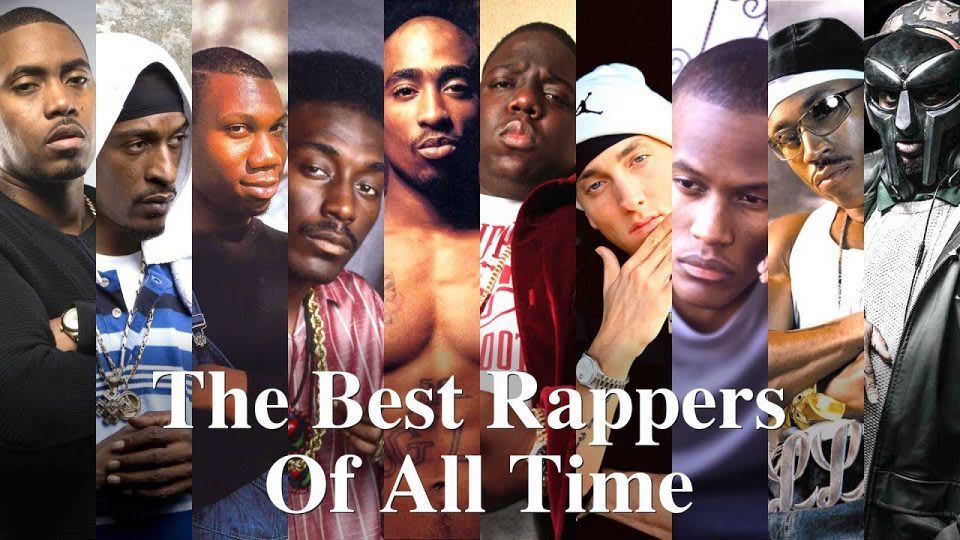
Lyrics in hip-hop are storytelling. From Tupac’s social commentary to Nas’ reflections on urban life, words convey struggle, triumph, and identity. Great bars communicate more than rhythm—they connect listeners to a lived experience.
🔗 Internal link:
👉 Explore lyricism and narrative in music on Likiyhttps://likiy.net/hiphop-lyrics-storytelling
3. Hustle as a Way of Life
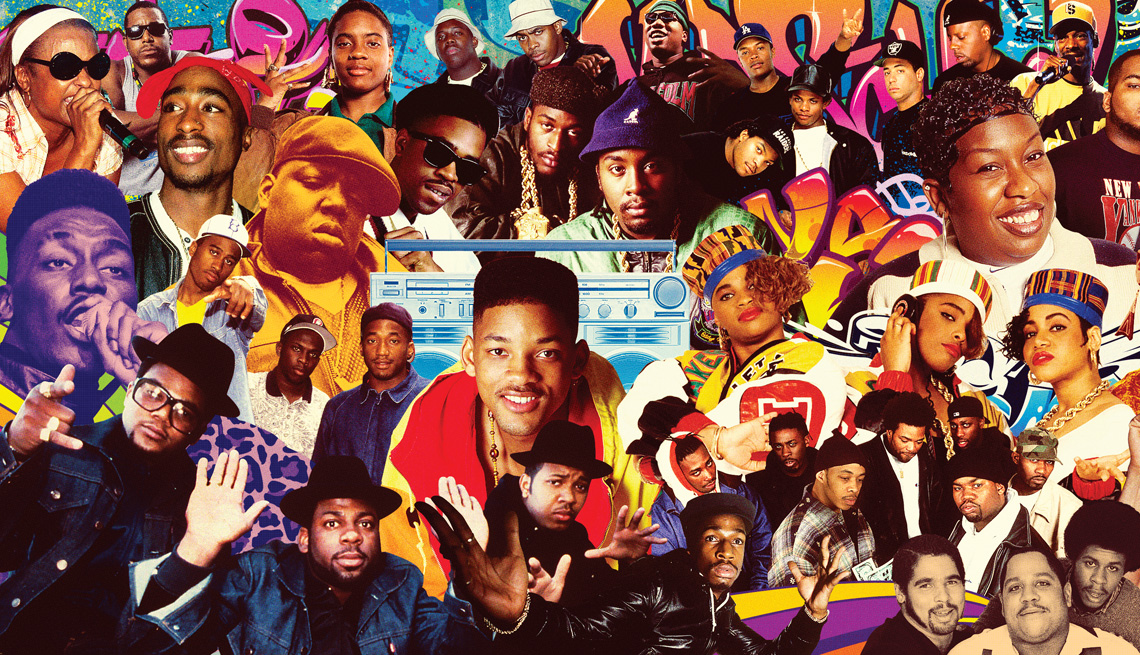
Hip-hop culture celebrates the hustle—entrepreneurship, side projects, and independence. Artists like Jay-Z and Nipsey Hussle demonstrate that grinding consistently can create both wealth and influence.
4. Innovation Drives Legacy
From sampling classic records to using technology in beat-making, hip-hop thrives on innovation. Artists who experiment with sound, style, or delivery push the culture forward and leave a lasting impact.
5. Collaboration Builds Communities
Hip-hop is inherently collaborative. Producers, MCs, DJs, and dancers all contribute to a shared creative vision. Partnerships and features amplify talent and foster creative communities.
6. Fashion and Identity Are Linked
Style is integral to hip-hop. From Adidas tracksuits to luxury brands, fashion communicates identity, status, and artistic expression. Hip-hop influences global trends and personal branding.
📍 Map Location:
Harlem, New York – iconic hip-hop fashion streets
https://maps.google.com/?q=Harlem+NY
7. The Beat Is the Backbone
A great beat sets the tone, energy, and mood for a track. Legendary producers like Dr. Dre and J Dilla crafted instrumentals that became timeless because of rhythm, layering, and emotion.
🔗 External reference:
Top hip-hop producers and their impact – Rolling Stone
https://www.rollingstone.com/music/music-lists/top-hip-hop-producers-123456/
8. Social Commentary Matters
Hip-hop often reflects societal struggles, inequality, and resilience. Lyrics addressing politics, poverty, or identity give the art form relevance beyond entertainment.
9. Persistence Outshines Overnight Success
Many hip-hop legends spent years performing at local shows, mixtapes, or open mics before hitting mainstream success. Persistence and resilience often define the difference between fame and obscurity.
📍 Map Location:
Apollo Theater, Harlem, New York – historic performance venue
https://maps.google.com/?q=Apollo+Theater+Harlem
10. Own Your Narrative
Hip-hop teaches artists to control their story. From independent releases to personal branding, owning one’s narrative ensures authenticity and lasting influence.
11. Giving Back Strengthens Legacy
Artists like Chance the Rapper and Nipsey Hussle demonstrate that community investment—through mentorship, charity, and entrepreneurship—strengthens cultural legacy.
12. Hip-Hop Is Global, Yet Local
While hip-hop is now a global phenomenon, its roots remain tied to specific communities. Respecting the origins of the art form while innovating ensures that growth honors history.
📍 Map Location:
Bronx, New York – birthplace of hip-hop
https://maps.google.com/?q=Bronx+NY
🔗 Internal link:
👉 Learn more about hip-hop culture and evolution on Likiyhttps://likiy.net/hiphop-culture-evolution
The Lessons That Live Beyond the Music
Hip-hop is a blueprint for creativity, resilience, and cultural impact. Its lessons on craft, hustle, collaboration, and legacy transcend music, influencing entrepreneurship, fashion, and global culture. The art, beats, and bars continue to inspire generations worldwide.
Explore More on Likiy.net
- 🎤 Hip-Hop History & Culture
- 🏆 Lessons from Music Legends
- 🌍 Global Music Influence
- 📝 Lyricism and Storytelling
👉 Visit: https://likiy.net
The Artistry Behind Every Bar
Every verse in hip-hop is more than just rhyming words; it’s a carefully constructed narrative that reflects emotion, perspective, and creativity. Great MCs use storytelling, wordplay, and rhythm to craft messages that resonate with listeners on multiple levels. The art lies in the ability to convey complex experiences—whether societal struggles, personal triumphs, or cultural commentary—within a limited number of bars. Lyrics are carefully timed with beats, pauses, and delivery techniques, creating an intricate interplay between voice and rhythm. Understanding this artistry requires listening beyond the surface, appreciating the nuance, metaphor, and cadence that transform words into powerful statements that can inspire, provoke, and connect communities globally.
The Evolution of the Hustle
Hip-hop has always celebrated the grind, whether on the streets, in local studios, or in digital platforms. Artists have leveraged every available tool to carve out their niche, from early mixtapes and local performances to streaming platforms and social media promotion. The hustle extends beyond music into entrepreneurship, fashion, and media ventures. Legends like Jay-Z built business empires, Nipsey Hussle developed community-focused ventures, and modern artists use social media to connect directly with fans while controlling their brand. The evolution of the hustle in hip-hop shows that dedication, innovation, and strategic thinking are as crucial to success as talent itself, and it continues to inspire emerging artists worldwide to define their own paths.
Sampling, Production, and Sonic Innovation
The heartbeat of hip-hop often comes from the beatmaker or producer, whose work can transform ordinary sounds into iconic music. Sampling—a core component of hip-hop production—takes fragments of existing music and recontextualizes them into entirely new tracks. Pioneers like DJ Premier and J Dilla mastered this craft, layering rhythms, scratches, and textures to create immersive soundscapes. Production in hip-hop is both technical and artistic: tempo, drum patterns, basslines, and effects are manipulated to evoke mood, energy, and emotion. Modern producers integrate digital tools, synthesizers, and software, blending traditional elements with contemporary innovation. This constant reinvention ensures that hip-hop remains dynamic, pushing the boundaries of what music can communicate.
Fashion, Identity, and Cultural Expression
Hip-hop’s influence extends far beyond music; it is inseparable from fashion, style, and self-expression. From Adidas tracksuits and Kangol hats in the 1980s to luxury brands and streetwear collaborations today, fashion communicates identity, attitude, and cultural affiliation. Clothing in hip-hop has historically represented resistance, empowerment, and creativity, offering both a visual and social language for communities. Style choices are often a reflection of local culture, social conditions, and individual artistry. As fashion and music intersect, hip-hop continues to shape global trends, proving that the movement’s visual aesthetics are as powerful as its sonic impact.
The Globalization of Hip-Hop Culture
While hip-hop was born in the Bronx, its influence is now global. Cities around the world—from Paris to Tokyo to Johannesburg—have adopted hip-hop, blending local languages, instruments, and stories with foundational elements of rap, DJing, and breakdancing. This globalization demonstrates hip-hop’s universal appeal, showing how music can act as both cultural exchange and personal expression. Yet, the movement maintains its roots in community and storytelling, honoring the struggles and triumphs that gave rise to it. Global hip-hop scenes highlight the adaptability and enduring relevance of the culture, while also emphasizing the importance of respecting its history and origins.
Community, Mentorship, and Legacy
Hip-hop has always been more than entertainment; it’s a vehicle for mentorship and community development. From open-mic events and local cyphers to workshops and charitable initiatives, established artists often guide younger generations. Legacy in hip-hop is not just measured by chart success, but by influence—how artists empower others, create platforms for voices that might otherwise be unheard, and contribute to cultural preservation. Figures like Grandmaster Flash, Rakim, and more recently, Kendrick Lamar, demonstrate that leaving a lasting imprint requires balancing personal artistry with responsibility toward the community and culture that nurtured it.
Frequently Asked Questions (FAQs)
1. What makes a music verse memorable and impactful?
A memorable music verse combines storytelling, rhythm, wordplay, and emotional resonance. Artists often draw from personal experiences or societal observations, crafting lines that connect with listeners on multiple levels. Delivery, timing, and vocal tone also influence how the verse is perceived and remembered.
2. How do beats shape the listener’s experience?
Beats provide structure, mood, and energy to a song. The rhythm, percussion, and tempo guide the listener’s body and emotions, enhancing engagement and creating a sense of flow. Well-crafted beats amplify lyrical content and can transform a song into an immersive experience.
3. Why is collaboration important in music creation?
Collaboration brings together diverse skill sets, perspectives, and creativity. Producers, vocalists, and instrumentalists contribute unique elements that can elevate a track. Collaborative projects often produce innovation that would be difficult to achieve individually.
4. How has music evolved as a cultural movement?
Music has always reflected social, political, and cultural contexts. From grassroots community events to global streaming platforms, it has evolved to influence fashion, identity, and activism. The movement continues to adapt while retaining its original ethos of expression and storytelling.
5. What role does storytelling play in song lyrics?
Storytelling transforms music into a medium for communication and emotional expression. Lyrics can address personal struggles, societal issues, or cultural narratives, creating a connection between the artist and the listener that goes beyond entertainment.
6. How do independent artists break into the music scene?
Independent artists leverage platforms like streaming services, social media, and local performances to gain visibility. By self-producing content, engaging with fans, and experimenting with marketing strategies, they can build loyal audiences and compete with mainstream acts.
7. How do visual aesthetics influence music perception?
Visuals, including music videos, album art, and fashion, complement the sound and enhance the audience’s understanding of the artist’s identity and message. A strong visual identity can amplify the cultural impact of music and create a lasting impression.
8. Why is persistence critical for emerging musicians?
The music industry is competitive, and success rarely comes overnight. Persistence allows artists to refine skills, build networks, and respond to audience feedback. Continuous effort ensures growth, resilience, and long-term impact.
9. How do production techniques affect song quality?
Production techniques, including mixing, mastering, and sound layering, significantly influence how a track is experienced. Proper production ensures clarity, balance, and emotional resonance, allowing the music to fully convey the intended message.
10. What is the significance of live performances?
Live performances create direct interaction between artists and audiences, fostering community and emotional connection. They showcase artistry beyond recorded tracks and often become defining moments in a musician’s career.
11. How does music reflect social issues?
Artists often use their platform to address inequality, injustice, and cultural challenges. Music can amplify marginalized voices, raise awareness, and encourage dialogue, making it a powerful tool for social change.
12. Why are mentorship and guidance important in the music industry?
Mentorship helps emerging artists navigate challenges, refine their craft, and develop professional skills. Experienced artists can provide insights into business management, creative processes, and audience engagement.
13. How do different rhythms and tempos impact listener emotions?
Faster tempos can evoke excitement or urgency, while slower rhythms may inspire reflection or melancholy. Changing rhythms within a song can create tension, anticipation, and release, enhancing emotional depth.
14. What makes a music legacy enduring?
A lasting legacy depends on cultural impact, innovation, and relevance. Artists who inspire others, influence trends, and maintain authenticity often leave work that resonates across generations.
15. How do community events shape music culture?
Local concerts, block parties, and open-mic nights cultivate talent and strengthen community bonds. These events provide platforms for experimentation, exposure, and cultural exchange, fostering the next generation of artists.
16. How important is innovation in music creation?
Innovation keeps music dynamic and engaging. By experimenting with new sounds, instruments, and production techniques, artists can push creative boundaries and influence trends within and beyond their genre.
17. How do collaborations influence fan engagement?
Collaborative projects often merge fan bases, introduce audiences to new styles, and create excitement. Strategic collaborations can also expand cultural relevance and strengthen connections between artists and listeners.
18. How do lyrics reflect personal identity?
Lyrics often mirror an artist’s experiences, beliefs, and values. They allow listeners to understand the individual behind the music and create empathy, making the art form a medium for self-expression.
19. Why are grassroots movements significant in music?
Grassroots initiatives preserve authenticity, empower local communities, and foster innovation. They serve as incubators for talent, allowing musicians to develop organically while remaining true to their cultural roots.
20. How does technology influence music distribution?
Streaming platforms, social media, and digital production tools have democratized access to music. Artists can reach global audiences, interact with fans in real time, and experiment with formats previously unavailable.
21. How do instrumental arrangements enhance storytelling?
Instruments can convey mood, tension, and emotion, complementing lyrics and vocal delivery. The interplay between melody, harmony, and rhythm enriches the narrative and elevates the listener’s experience.
22. What role do awards and recognition play in an artist’s career?
Awards validate skill and influence, increasing visibility and opportunities. Recognition can enhance credibility, attract collaborations, and provide motivation to continue creating impactful work.
23. How do fashion and visual identity affect music culture?
Fashion communicates an artist’s aesthetic, cultural alignment, and creativity. Visual identity strengthens brand recognition and reinforces the themes expressed through music.
24. How do global influences shape local music scenes?
Exposure to international sounds, instruments, and production styles encourages fusion and experimentation. Local artists can blend global trends with regional narratives, creating unique and innovative music experiences.
25. How do artists maintain relevance over decades?
Sustained relevance depends on adaptability, authenticity, and innovation. Artists who evolve with cultural trends while remaining true to their artistic vision continue to resonate with audiences over time.